Originally published: March 16, 2020 | Last updated: July 23, 2025
TL;DR: A complete Canadian estate plan requires six documents: (1) Last Will and Testament ($49.95 at LegalWills.ca), (2) Financial Power of Attorney ($49.95), (3) Living Will/Advance Directive ($29.95), (4) Funeral wishes (free with LifeLocker), (5) Personal information vault (LifeLocker), and (6) Personal letters to loved ones. The complete estate plan bundle at LegalWills.ca costs $99.95 and includes the three core legal documents plus free Will registration. Each document serves a different purpose and has specific legal requirements for signing and witnessing.
Everyone needs a set of essential documents in place to protect themselves and their family. These documents will last you for the rest of your life (with periodic updates as circumstances change), and preparing all of them takes less than an hour with an online service. This guide covers every document you need, how to create it, what it costs, and the legal formalities required.

Table of Contents
Table of Contents
1. The Last Will and Testament
2. Financial Power of Attorney
3. Living Will and Advance Directives
4. Funeral Wishes
5. Personal Information Vault (LifeLocker)
6. Personal Letters to Loved Ones
Complete Cost Summary
1. The Last Will and Testament
What Is a Last Will and Testament?


A Last Will and Testament functions as a legal instrument which activates upon your death. The document operates through two main purposes which enable you to select your executor and child guardian while showing the way your property should distribute between your beneficiaries.
Your estate will pass through provincial intestacy laws when you fail to create a Will which will probably contradict your planned distribution. The court selects an administrator to handle estate matters for common-law partners who lack legal rights to inherit in most Canadian provinces. See our guide on dying without a Will for the full implications.
How Do I Create a Will?
Three options: an estate planning lawyer ($500–$1,500), an online service like LegalWills.ca ($49.95), or a DIY Will kit ($15–$35, not recommended). Online services operate with the same software which Canadian law firms use to generate identical legal documents at reduced pricing. For a full comparison, see our cost of a Will guide.
- What Are the Legal Requirements?
- Your Will needs to exist as a physical copy which you must sign while two witnesses observe you signing and then they must also sign the document. Witnesses cannot be beneficiaries. The document does not need to be notarized, registered, or prepared by a lawyer to be legally valid. For details, see our guide on the Affidavit of Execution.
- What Do I Do with My Will After Signing?
- Store the original in a safe, accessible location (not a safety deposit box). Tell your executor where it is. Register it with the Canada Will Registry (free for LegalWills.ca customers). Your executor will file it with the probate courts after your death.
2. Financial Power of Attorney
What Is a Financial Power of Attorney?
A Financial Power of Attorney gives a trusted person authority to handle your finances if you lose mental capacity. This includes paying bills, managing investments, filing taxes, and selling property. The court needs your family to start financial management operations through an application process which costs between $2,000 and $10,000 and requires extended waiting periods.
Types of Financial Power of Attorney:

Specific, limited to particular transactions (e.g., selling a car while you are abroad)
General, covers all financial matters
Enduring/Durable, remains in effect even after you lose capacity
Springing, only takes effect when triggered by a specific event (usually loss of capacity)
- How Do I Create a Financial Power of Attorney?
- Through a lawyer ($200–$500), online at LegalWills.ca ($49.95), or as part of the complete estate plan bundle ($99.95). The document is customized to your province’s legal requirements.
- What Are the Legal Requirements?
- You must have mental capacity when you sign. The document must be signed in the presence of two adult witnesses. Most provinces do not require notarization for legal purposes but banks prefer to accept notarized PoA documents because they reduce the need for additional verification. Quebec requires all documents to receive notarization before they become valid.
3. Living Will and Advance Directives
What Is a Living Will?
A Living Will combines two critical documents: an Advance Directive (your medical treatment preferences) and a Healthcare Power of Attorney (naming someone to make medical decisions for you).
The Advance Directive covers decisions like:
You must choose to keep life support active during your medical emergency when doctors prove you no longer have any chance of survival. The document should include your choice about receiving resuscitation. The document needs to show your preferred pain management strategies which might result in faster death. You need to specify what medical experiments should follow your directives.

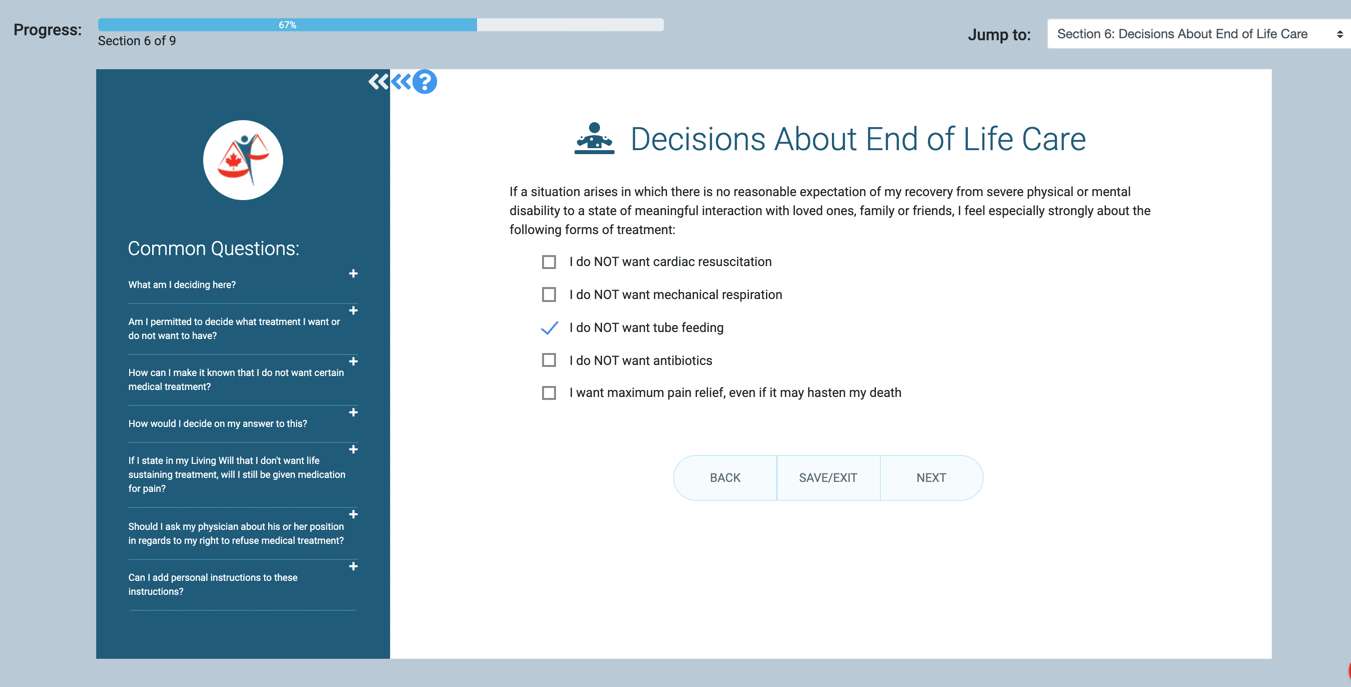
The Healthcare Power of Attorney allows you to select someone who will make medical decisions for you during times when you cannot express yourself. Medical teams must use every available medical resource to keep you alive because you did not provide this document.
How Do I Create a Living Will?
Through a lawyer, or online at LegalWills.ca ($29.95, or included in the $99.95 estate plan bundle). The process takes approximately 10 minutes.
What Are the Legal Requirements?
- The Living Will requires two witnesses to observe your signature. You need to distribute this document to your healthcare proxy and your family doctor and all medical facilities which provide you with regular treatment. Store a copy with your medical records.
- 4. Funeral Wishes
- Why Document Your Funeral Wishes Separately?
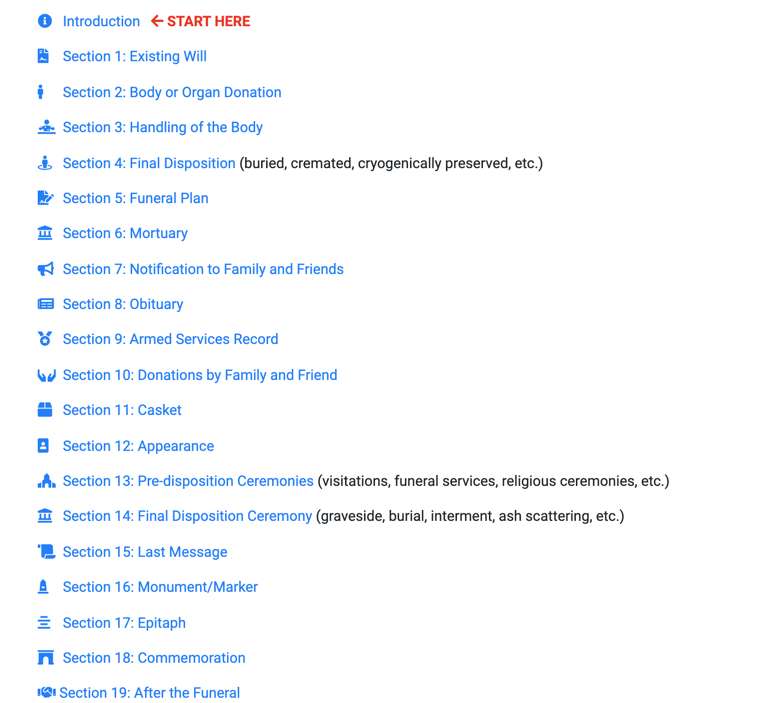
- The reading of your Will will happen after several days have passed since your death occurred but funeral arrangements need to start immediately. Your family will find your funeral wishes in a separate document which they can reach during their urgent decision-making period.
- Your funeral wishes can cover:
You need to select between burial and cremation services during your funeral planning process. You need to choose between religious and secular services and you can also pick celebratory or private ceremonies for your event. You need to specify your service requirements which include music selections and reading materials and location choices. You need to state your preferences about organ and tissue donation.
Budget guidance; protecting your family from funeral home upselling
The documentation of your wishes will help your family members to carry out their responsibilities. The document allows people to spend money carefully (if you choose that option) while following particular instructions instead of making assumptions about your wishes during times of emotional distress.
How Do I Document Funeral Wishes?
The funeral wishes document comes free with the LifeLocker service at LegalWills.ca. There is no legal framework, it is simply an expression of your preferences stored where your family can access it immediately.
5. Personal Information Vault (LifeLocker)
- What Information Does Your Family Need After You Die?
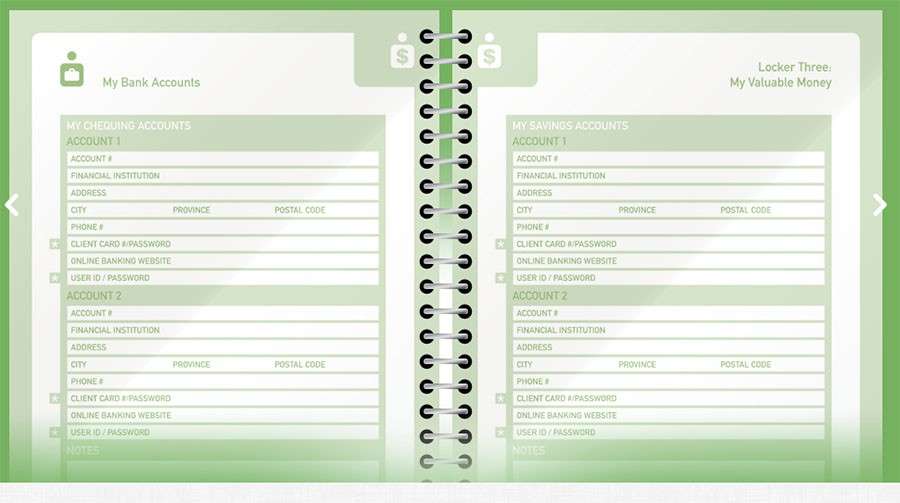
- You need to provide your family with operational details which should not exist in your Will even though you have created your Will and other legal documents. The list of required items includes bank account information together with financial institution names and contact numbers. Insurance policy numbers Your digital assets consist of your email login information and your social media presence and your online service memberships. Important documents which include deeds and titles and certificates should be kept in their proper location.
- Contact information for your accountant, financial advisor, and lawyer
- Vehicle registrations, property information
- The LifeLocker at LegalWills.ca is a secure digital vault which allows you to store all your information. The system maintains its organization through encryption which allows your KeyHolders to access it by following a secure multi-party verification process.
- 6. Personal Letters to Loved Ones
Why Write Personal Letters?
A Will functions as a legal document which does not serve as a space for individual feelings or personal explanations or messages. People want to leave personal letters for their family members through these messages which explain their Will choices and share family memories and provide guidance and express their last goodbyes.
These letters have no legal standing but can be enormously meaningful to your loved ones. You should keep these documents together with your LifeLocker information or store them in a sealed envelope which contains your Will.
Complete Cost Summary
Document


Lawyer Cost
| LegalWills.ca Cost | Signing Requirements | Last Will and Testament | $500–$1,500 |
|---|---|---|---|
| $49.95 | Signed + 2 witnesses | Financial Power of Attorney | $200–$500 |
| $49.95 | Signed + 2 witnesses (notarization recommended) | Living Will / Advance Directive | $200–$400 |
| $29.95 | Signed + witnessed | Funeral Wishes | Free (LifeLocker) |
| None | N/A | LifeLocker Vault | Included |
| None | N/A | Complete Estate Plan Bundle | $900–$2,400+ |
| $99.95 | The estate plan bundle at LegalWills.ca costs $99.95 and provides customers with all three essential legal documents together with free Will registration through the Canada Will Registry. The entire process takes approximately 30–45 minutes. | $99.95 | . |
At LegalWills.ca, the complete estate plan bundle ($99.95) includes all three core legal documents plus free Will registration with the Canada Will Registry. The entire process takes approximately 30–45 minutes.

Tim Hewson is one of the founders of LegalWills.ca.
He has over 20 years of experience helping people to write their Will and other estate planning documents. He has been interviewed by many of the major news media outlets including CTV, Global News, The Toronto Star, and other leading Canadian publications. He has also contributed to a number of financial planning books.
Throughout his career, Tim has written extensively on the subject of Will writing and estate planning.