Originally published: June 26, 2020 | Last updated: August 13, 2025
TL;DR: Your Will names an executor and describes how to distribute your estate, but it does not list your actual assets. Your executor needs to know where your bank accounts, investments, insurance policies, property deeds, and digital accounts are located. The LifeLocker service at LegalWills.ca solves this by providing a secure digital vault where you document all your accounts and personal information. Your designated KeyHolders can access this information after you pass away through a secure multi-party verification process.
Writing your Will is the essential first step in estate planning, but it is only the first step. Your Will names an executor and describes how your estate should be distributed, but it does not contain a list of your assets, account numbers, or where important documents are stored. Your executor needs this information to do their job, and without it, they face a difficult and time-consuming process of detective work to locate everything you owned.

What Does Your Will Actually Contain?
Your Executor Appointment
Your Will names an executor who will handle all your estate matters after you pass away. The process requires asset identification and debt payment and tax submission and final estate distribution to benefit recipients. You must attend this appointment because it represents the most vital moment in your entire existence.
Your Estate Distribution Plan
Your Will describes who gets what; specific bequests (“my car to my sister”), percentage distributions (“divide equally among my children”), and alternate beneficiaries if a primary beneficiary predeceases you. The document creates guardians for children who need protection and it creates trust structures which protect children until they reach adulthood.
What Is NOT in Your Will?
Your Will does not contain a list of your assets. It does not include:
- Bank account numbers or balances
- Investment account details
- Insurance policy numbers
- Property deed locations
- Pension or retirement account information
- Digital asset credentials (email, social media, cryptocurrency)
- Location of important documents
But your executor needs all these details to complete their responsibilities. LifeLocker service operates to bridge the gap which exists between these two areas.
How Can You Help Your Executor Find Your Assets?
You need to choose between two methods which let you show your assets for your executor to understand:
Option 1: A Paper Asset List
LegalWills.ca offers a downloadable PDF form named “List your Personal Details & Assets” which lets you document all your account details and contact information together with vital data. The document lacks legal authority because it does not require either signature or witness verification. You should print this document to fill it out while keeping it up to date before storing it with your Will.
Option 2: The LifeLocker Digital Vault
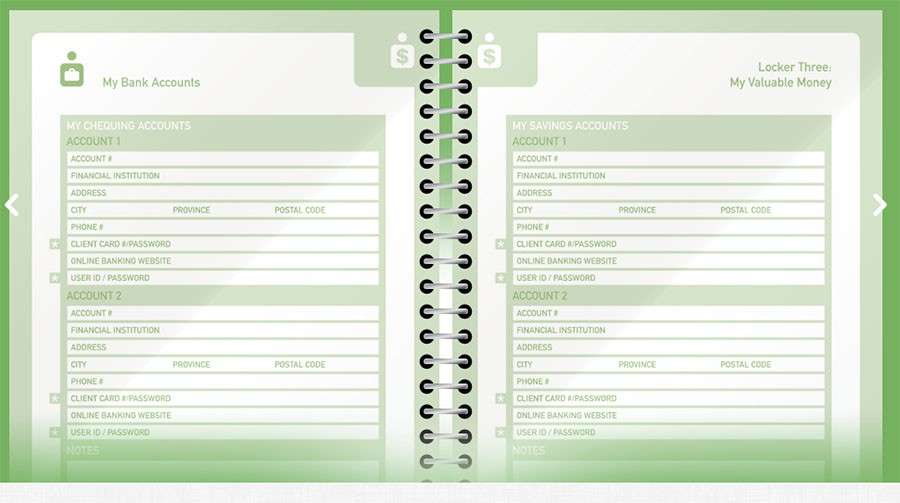
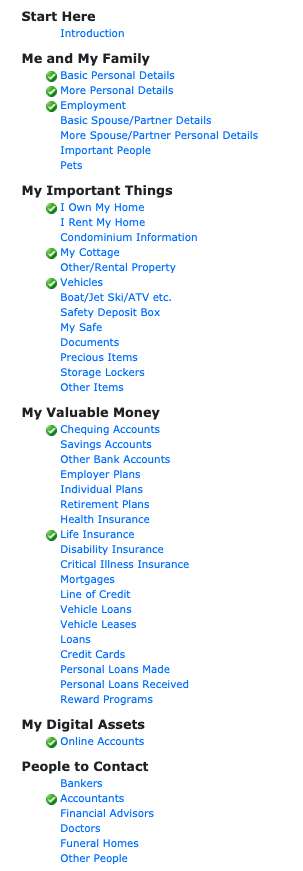
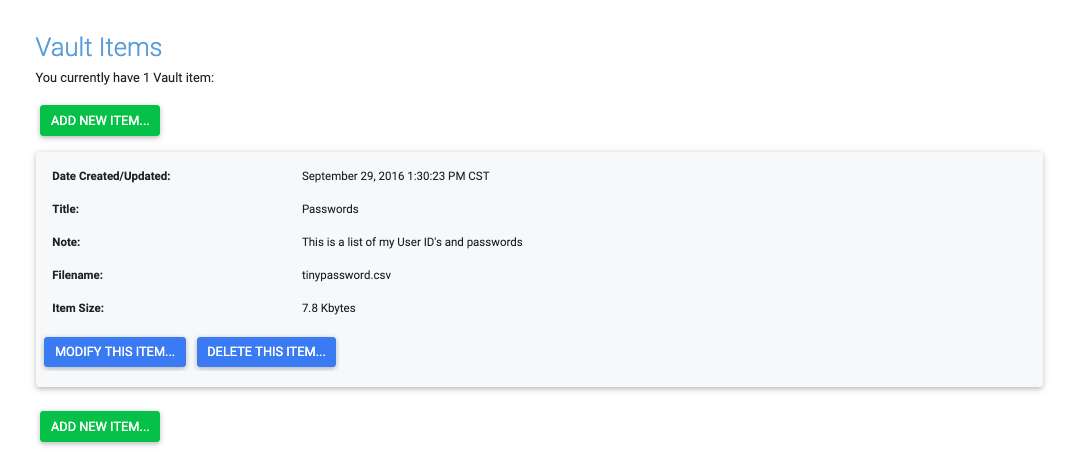
LegalWills.ca provides LifeLocker as a protected digital storage solution which lets you save all essential information that your executor needs to access. The LifeLocker system allows users to update their information at any time through any device while its innovative KeyHolder process enables authorized people to access their data at appropriate times.
How Does the KeyHolder Process Work?
The LifeLocker system operates through the KeyHolder process which functions as a multi-party verification system that stands as its distinct feature. Here is how it works:
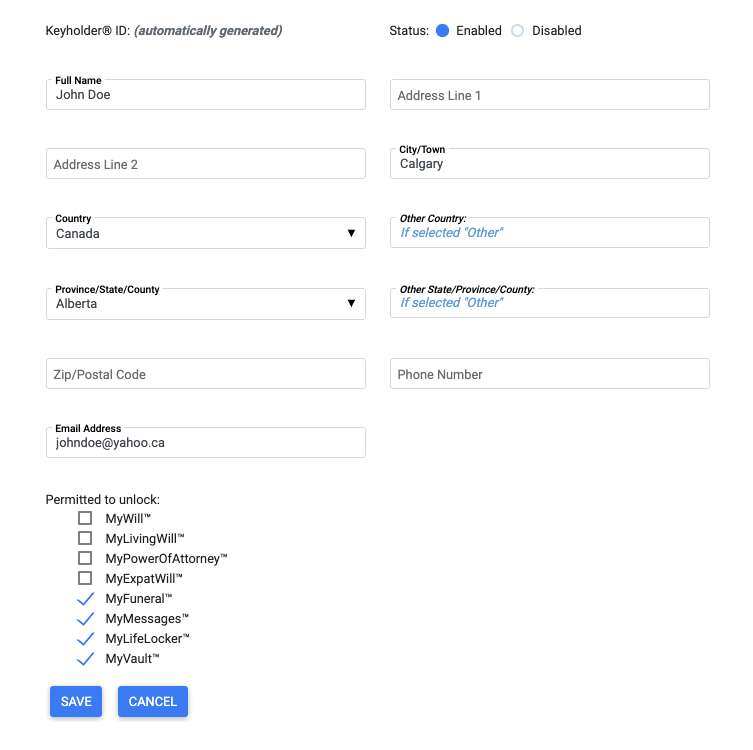
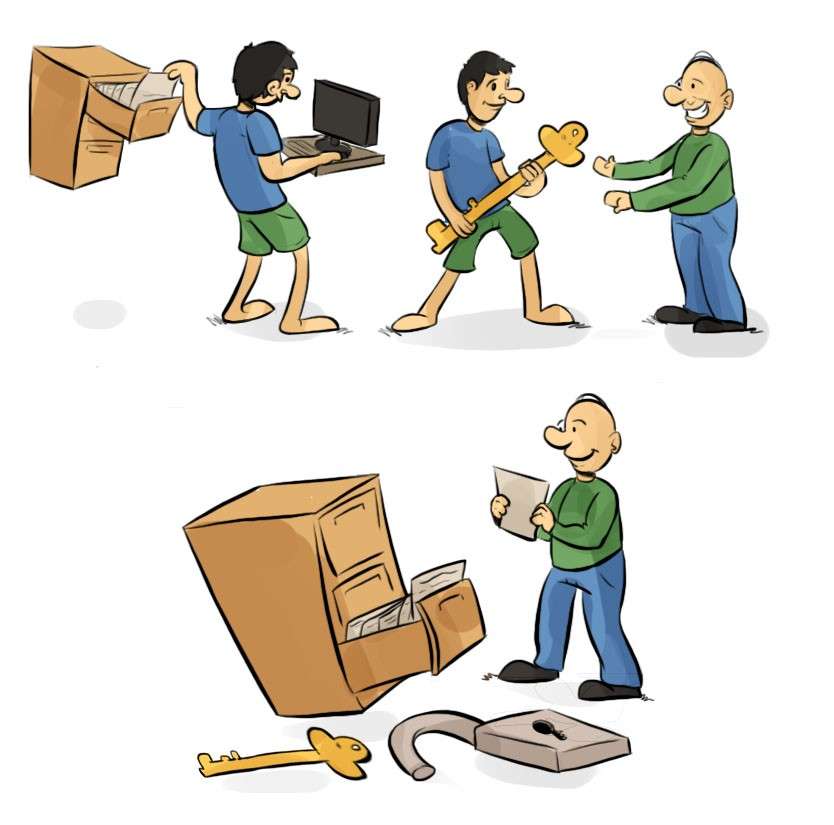
- You establish KeyHolders who become your trusted people (usually between 3 and 5) who each obtain their own distinct access key
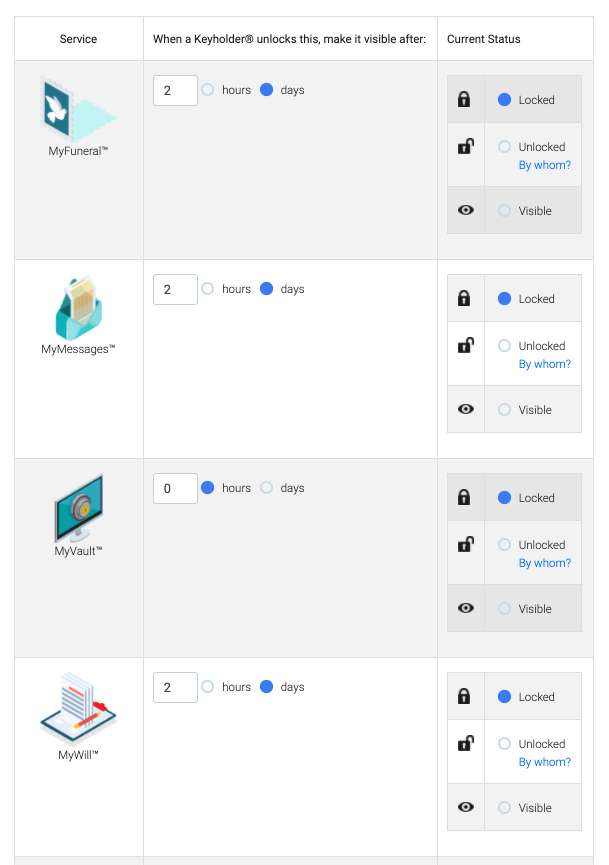
- Your information stays protected because no individual KeyHolder holds enough power to access it during your lifetime. The system needs multiple KeyHolders to prove your death before it can start working.
- Your stored information becomes accessible to your executor after your KeyHolders provide their keys which fulfill the required threshold for access.
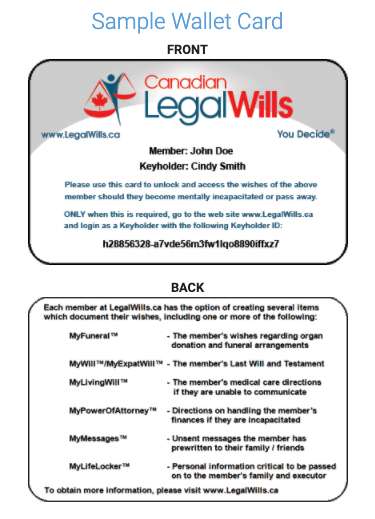
The system blocks unauthorized entry during your life but it ensures your executor will obtain all vital information when you pass away. You should keep a wallet card which displays your KeyHolders so emergency responders can find appropriate contacts when they discover you.
What Should You Store in Your LifeLocker?
Your LifeLocker needs to include all essential items which your executor and family members require to handle your estate management:
| Category | Examples |
|---|---|
| Financial accounts | Bank accounts, investment accounts, pension plans, RRSPs, TFSAs |
| Insurance | Life insurance, home insurance, auto insurance policy numbers and contacts |
| Property | Deed locations, mortgage details, vehicle registrations |
| Digital assets | Email accounts, social media, subscriptions, cryptocurrency wallets |
| Professional contacts | Lawyer, accountant, financial advisor, employer HR department |
| Important documents | Location of Will, Power of Attorney, birth certificate, passport, marriage certificate |
| Funeral wishes | Burial/cremation preferences, service instructions, organ donation wishes |
Frequently Asked Questions
Does My Executor Need Access to My LifeLocker Right Away?
Your personal information stays protected until you pass away. The KeyHolder process stops anyone from gaining access to your information before the appropriate time. The multi-party verification system allows your executor to access your information after you have passed away.
What If I Change Banks or Open New Accounts?
You can access your LifeLocker account to make changes to your information. Your LifeLocker functions as an active system which shows your most recent information after you update it.
How Much Does the LifeLocker Cost?
The LifeLocker exists as a free feature which comes with LegalWills.ca’s estate planning services. A complete estate plan (Will + Power of Attorney + Living Will + LifeLocker) costs $99.95.
Is the LifeLocker Secure?
Yes. All data receives encryption before it reaches protected servers which store the information. The KeyHolder process requires multiple parties to confirm your death before they will release any information to establish security defense.

Tim Hewson is one of the founders of LegalWills.ca.
He has over 20 years of experience helping people to write their Will and other estate planning documents. He has been interviewed by many of the major news media outlets including CTV, Global News, The Toronto Star, and other leading Canadian publications. He has also contributed to a number of financial planning books.
Throughout his career, Tim has written extensively on the subject of Will writing and estate planning.