Originally published: December 18, 2018 | Last updated: May 14, 2025
TL;DR: This is the ultimate guide to preparing a Will in Canada. It covers what a Will is, when it takes effect, whether you need a lawyer (no), what happens without one, how to choose an executor, distribute assets, name guardians, set up trusts, handle funeral wishes, store your Will, and when to update. The process takes 20 minutes at LegalWills.ca for $49.95.
Table of Contents
What Is a Will and When Does It Take Effect?
A Last Will and Testament is a legal document that takes effect only after your death. It specifies how your assets are distributed, names an executor to manage the process, and designates guardians for minor children. While you are alive, your Will has no legal effect, you can change it, revoke it, or ignore it entirely. It only becomes binding when you die, at which point it becomes the legal blueprint for your estate.

What Are the Requirements for Lawyer Representation During Will Drafting?
No. Canadian law does not require a lawyer. You can prepare a valid Will using an online service like LegalWills.ca for $49.95. The legal validity is identical to a lawyer-drafted Will costing $500-$1,500+. Lawyers are recommended only for complex situations: business assets, international property, or special needs trusts. For most Canadians, an online service is the best balance of quality, affordability, and convenience. See our questions to ask a lawyer.

What Occurs When Someone Fails to Create a Will?
Dying without a Will (intestate) means provincial succession laws control everything. Your spouse may not inherit your entire estate, common-law partners may receive nothing, no executor is named, no guardian is designated, and no charitable gifts are made. The six consequences are severe and entirely preventable.
How Do You Choose an Executor?
Your executor manages your estate after death; securing assets, paying debts, filing taxes, and distributing property. Choose someone trustworthy, organized, willing, and financially literate. Always name an alternate. In blended families, consider an impartial third party to avoid conflicts between spouse and stepchildren.
How Do You Distribute Your Assets?

Your Will can distribute assets in three ways: specific gifts (named items or dollar amounts to named people), charitable bequests (donations to registered charities), and residual estate division (everything remaining, split by percentage among primary beneficiaries). Always name alternate beneficiaries in case a primary beneficiary predeceases you.
How Do You Name Guardians and Set Up Trusts?

If you have minor children, your Will should name a guardian and alternate guardian. For any minor beneficiaries, set up a trust to hold their inheritance until they reach a specified age (typically 18-25), managed by a trustee who can use funds for education, healthcare, and living expenses. Without these provisions, a court decides both custody and financial management.
Can You Include Funeral Wishes in Your Will?

Yes. While funeral wishes in a Will are not legally binding (your Will may not be read until after the funeral), documenting your preferences ensures your family knows what you want. LegalWills.ca includes a funeral wishes feature where you can specify burial vs cremation, ceremony preferences, and any other arrangements. Communicate these wishes to your family directly as well.
Where Should You Store Your Will?

Store your original Will in a fireproof safe at home or with a trusted person. Tell your executor exactly where it is. Avoid safety deposit boxes in some provinces where access after death is restricted. Use LegalWills.ca’s Keyholders feature to notify designated people about your Will’s location. For more, see how to register a Will.
When Should You Update Your Will?
Review every 3-5 years and update immediately after marriage (which revokes prior Wills in most provinces), divorce, birth or adoption, death of a beneficiary or executor, major asset changes, or moving provinces. With LegalWills.ca, updates are simple: log in, make changes, print a new version.
Can You Write a Will for Somebody Else?

You can help someone prepare their Will (by sitting with them at the computer, for example), but the testator must understand and approve the contents and sign it themselves. If someone is too incapacitated to understand what a Will does, they lack testamentary capacity and cannot make a valid Will, even with help. This is why writing your Will while healthy is so important.
How Do You Get Started?
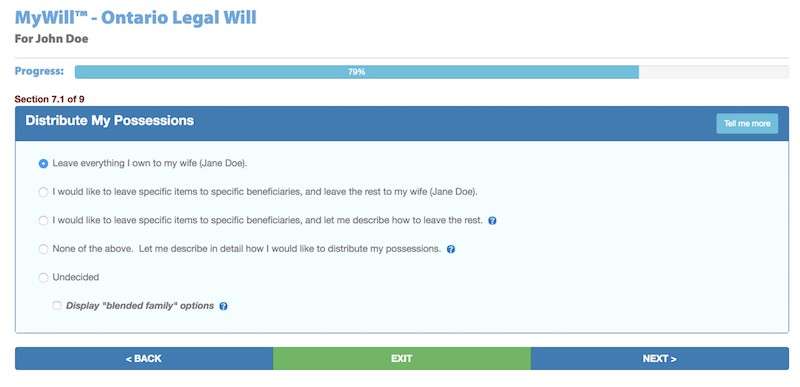
Visit LegalWills.ca and begin the guided Will-writing process. In about 20 minutes, you will have a comprehensive, province-specific Will ready to print and sign. Complete your estate plan with a Living Will and Power of Attorney.

Tim Hewson is one of the founders of LegalWills.ca.
He has over 20 years of experience helping people to write their Will and other estate planning documents. He has been interviewed by many of the major news media outlets including CTV, Global News, The Toronto Star, and other leading Canadian publications. He has also contributed to a number of financial planning books.
Throughout his career, Tim has written extensively on the subject of Will writing and estate planning.