TL;DR
Ontario introduced significant changes to its estate and succession law, including provisions addressing predatory marriages, electronic Wills, and virtual witnessing. A key change is the modification to the rule that marriage automatically revokes a Will. Ontario now provides protections against predatory marriages targeting vulnerable individuals, particularly elderly persons with diminished capacity. Electronic Wills and virtual witnessing have also been made permanent.
Originally published: December 30, 2021 | Last updated: January 7, 2026
Ontario has enacted several important changes to its estate and succession law that affect how Wills are created, signed, and interpreted. These changes address longstanding concerns about predatory marriages, modernize Will execution through electronic signing, and provide new protections for vulnerable Ontarians. Understanding these changes is essential for anyone writing a Will in Ontario.
What Is a Predatory Marriage and How Does Ontario’s Law Address It?
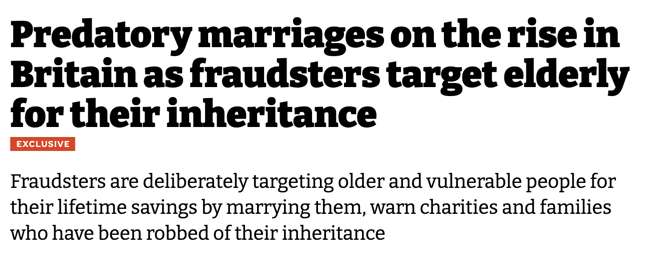
A predatory marriage occurs when someone deliberately marries a vulnerable person, typically an elderly individual with diminished mental capacity, in order to benefit from the automatic revocation of the victim’s existing Will. Under the traditional rule, marriage automatically revokes a Will. This means the predator can:
- Marry an elderly person who lacks full capacity to understand the implications
- The marriage automatically revokes the existing Will
- The victim dies intestate (without a valid Will)
- The predator inherits under intestacy laws as the surviving spouse
This has been a devastating loophole in Canadian succession law. Ontario’s legislative changes address this by:
- Modifying the automatic revocation rule: Providing that marriage does not automatically revoke a Will in circumstances where the marriage may be predatory
- Creating court remedies: Allowing courts to set aside the effects of a predatory marriage on estate distribution
- Protecting vulnerable persons: Recognizing that some individuals lack the capacity to understand the estate planning consequences of marriage
How Has the “Revocation on Marriage” Rule Changed?

The traditional rule in Ontario (and most common law provinces) is straightforward: marriage automatically revokes any existing Will. This rule exists because marriage fundamentally changes a person’s legal relationships and obligations, and the law assumes that a new Will should be created to reflect the new marital status.
However, this rule has been exploited through predatory marriages. Ontario’s changes now provide that:
- A court can declare that a marriage did not revoke the existing Will if the testator lacked capacity to understand the effect of marriage on their Will
- Family members and estate beneficiaries can bring applications to protect the original Will
- The burden of proof may shift to the surviving spouse to demonstrate that the marriage was genuine and not predatory
This is a critical protection for elderly Canadians and their families. If you are concerned about a family member’s vulnerability, consult with an estate planning lawyer about protective measures.
What Other Changes Has Ontario Made to Will Law?
Electronic Wills (Permanent)
Ontario has made electronic Wills permanent. Wills can be created, signed, and stored electronically. See our guide to electronically signing a digital Will.
Virtual Witnessing (Permanent)
Virtual witnessing via audio-visual technology is now permanently permitted. Witnesses do not need to be physically present, they can observe and sign via video call. This provision, originally introduced as a temporary COVID-19 measure, has been made a permanent feature of Ontario law.
Substantial Compliance
Ontario courts have the authority to validate a Will that does not strictly comply with execution requirements if the court is satisfied that the document represents the testator’s true intentions. This “substantial compliance” or “dispensing” power provides a safety net for Wills with minor technical defects, though it requires a court application and should not be relied upon as a substitute for proper execution.
How Do These Changes Affect Your Estate Plan?
These changes have practical implications for Ontario residents:
| If You Are… | Action Required |
|---|---|
| Planning to marry | Create a new Will after marriage or make your current Will “in contemplation of marriage” |
| Concerned about an elderly family member | Be aware of predatory marriage risks; ensure they have a current Will and consider a Power of Attorney |
| Looking for convenient signing options | Electronic signing and virtual witnessing are now permanent options via LegalWills.ca |
| Have an existing Will | Review your Will to ensure it reflects current laws and your wishes |
Frequently Asked Questions
Does marriage still revoke a Will in Ontario?
Generally yes; marriage still revokes a Will unless it was made “in contemplation of marriage” to a specific person. However, new provisions protect against predatory marriages, and courts can now declare that a predatory marriage did not revoke the existing Will.
What should I do if I suspect a predatory marriage?
Consult an estate planning lawyer immediately. Time is critical. A lawyer can advise on available legal remedies, including court applications to protect the existing Will and investigate the circumstances of the marriage.
Are these changes retroactive?
The electronic Will and virtual witnessing provisions apply to Wills created after the legislation took effect. The predatory marriage provisions may have retroactive application in certain circumstances; consult a lawyer for specifics.
Do other provinces have similar protections against predatory marriages?
British Columbia has a “dispensing power” that can validate Wills in certain circumstances. However, most provinces have not yet enacted specific predatory marriage legislation. Ontario is leading the way on this issue. Learn about the grounds for challenging a Will in other contexts.

Tim Hewson is one of the founders of LegalWills.ca.
He has over 20 years of experience helping people to write their Will and other estate planning documents. He has been interviewed by many of the major news media outlets including CTV, Global News, The Toronto Star, and other leading Canadian publications. He has also contributed to a number of financial planning books.
Throughout his career, Tim has written extensively on the subject of Will writing and estate planning.