
TL;DR
After writing your Will, you must: (1) print, sign, and have it witnessed, (2) store the original securely, (3) inform your executor of its location, (4) register it with the Canada Will Registry, (5) prepare complementary documents (Power of Attorney, Living Will), and (6) review it regularly. Writing the Will is only the first step; proper execution, storage, and maintenance are equally important.
Originally published: September 28, 2021 | Last updated: November 19, 2025
Writing your Will is an essential first step, but it is not the last. A Will that is never signed is not legally valid. A Will that cannot be found after death is as useless as no Will at all. And a Will that is never updated may not reflect your current wishes. This guide covers every step you need to take after writing your Will to ensure it serves its purpose when needed.
Step 1: Print, Sign, and Have Your Will Witnessed
The most critical step after writing your Will is proper execution. An unsigned Will has no legal effect. Follow the signing rules for Canada:
- Print the Will on standard paper, do not use electronic-only copies
- Gather two eligible witnesses, adults who are not beneficiaries of the Will and not spouses of beneficiaries
- Sign at the end of the Will in the presence of both witnesses
- Both witnesses sign in the presence of the testator and each other
- Initial each page for added security
- Complete the Affidavit of Execution; have one witness swear the affidavit before a commissioner of oaths
Do not delay this step. A Will sitting in your printer queue is not protecting your family.
Step 2: Store Your Will Securely

Your original signed Will must be stored in a location that is:
- Secure: Protected from fire, flood, theft, and accidental destruction
- Accessible: Your executor must be able to find and access it after your death
- Known: At least one trusted person must know where the Will is stored
Recommended storage locations:
| Location | Pros | Cons |
|---|---|---|
| Home fireproof safe | Immediate access, no cost | Vulnerable to house fire/flood if not rated; executor needs combination |
| Bank safety deposit box | High security, fire/flood protection | May be sealed on death; executor may need court order to access |
| With your lawyer | Professional storage | Lawyer may retire or firm may close; storage fees may apply |
| With your executor | Executor has immediate access | Risk if relationship changes; security depends on their storage |
Whichever location you choose, keep a copy (clearly marked “COPY”) at home for reference, and tell your executor where the original is stored.
Step 3: Inform Your Executor
Your executor needs to know three things:
- That you have named them as executor; ideally, discuss this before finalizing your Will to ensure they are willing
- Where your Will is stored, exact location of the original signed document
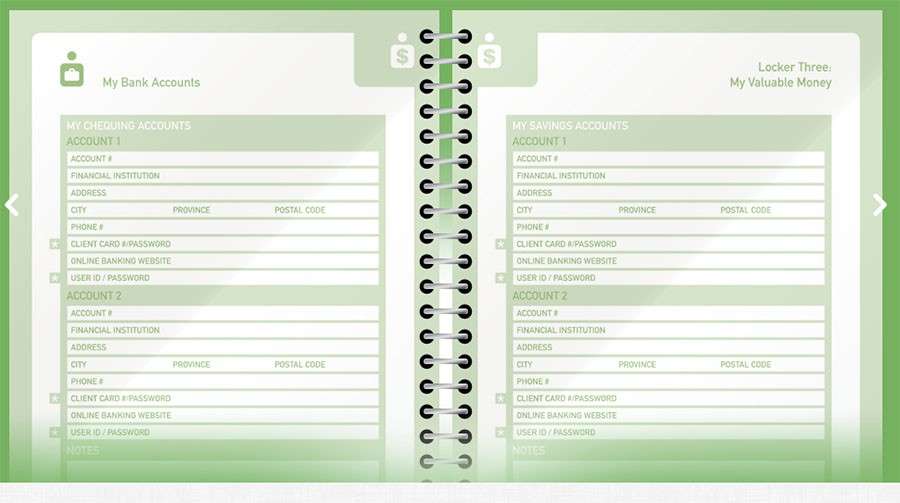
- Where to find key information, bank accounts, insurance policies, property documents, digital accounts, and contact information for your financial advisor or accountant
For a comprehensive guide on helping your executor, see Writing your Will is the first step, how to help your executor.
Step 4: Register Your Will
Registering your Will with the Canada Will Registry creates a permanent, searchable record that your Will exists and where it can be found. Registration does not store the Will itself, it records its location so that after your death, your executor or family members can confirm a Will exists and locate it.
Registration is particularly valuable because:
- It prevents situations where a Will exists but cannot be found
- It confirms whether a Will exists if there is any doubt
- It helps locate the most recent Will if multiple versions were created
- It is searchable by authorized parties (executors, next of kin, lawyers) after death
Step 5: Prepare Complementary Documents
A Will is one component of a complete estate plan. After completing your Will, prepare these additional documents:
Power of Attorney
A Power of Attorney appoints someone to manage your financial affairs if you become incapacitated. Without one, your family may need to apply to the court for the authority to pay your bills, manage your investments, or sell your property, a process that is expensive and time-consuming.
Living Will (Advance Directive)

A Living Will documents your healthcare preferences and appoints someone to make medical decisions on your behalf if you cannot communicate. It covers decisions about life-sustaining treatment, resuscitation, and comfort care.
Funeral Wishes
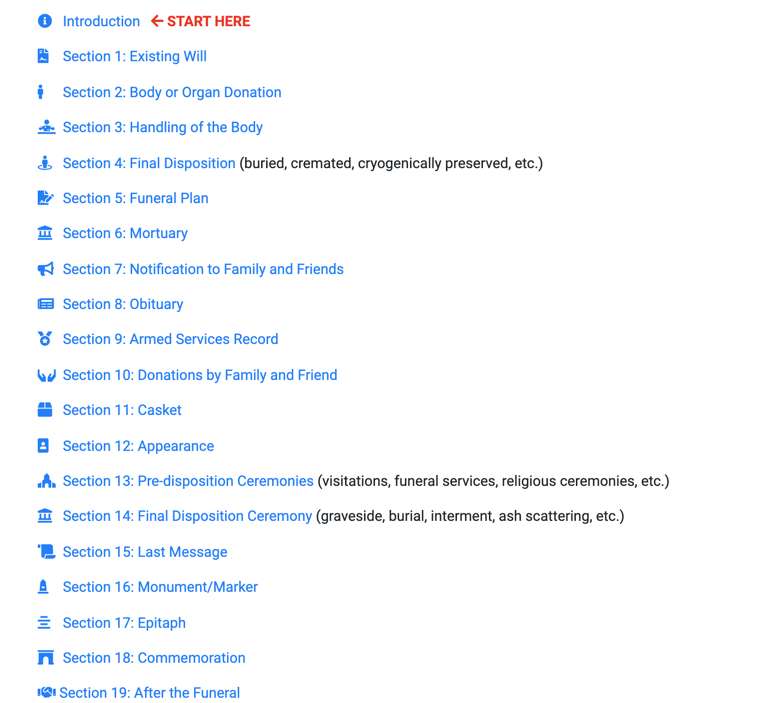
While you can include funeral wishes in your Will, a separate document is often more practical. Wills are sometimes not read until after the funeral. Document your preferences for burial vs. cremation, type of service, and any specific wishes, and share this document with your executor and family members.
Step 6: Review and Update Your Will Regularly
A Will should be reviewed whenever a significant life event occurs and at minimum every 3–5 years. Events that should trigger a review:
- Marriage or divorce; marriage revokes a Will in most common law provinces
- Birth or adoption of a child
- Death of a beneficiary or executor
- Significant change in assets, buying or selling property, inheritance, major investments
- Moving to a different province, provincial laws differ on execution requirements and intestacy rules
- Change in relationships; new partner, estrangement, reconciliation
Updating your Will at LegalWills.ca is free and takes only a few minutes. There is no reason to let your Will become outdated.
Complete Checklist: After Writing Your Will
- Print the Will
- Sign in the presence of two eligible witnesses
- Have witnesses sign in your presence and each other’s presence
- Complete the Affidavit of Execution
- Store the original in a secure, accessible location
- Keep a marked copy at home for reference
- Tell your executor where the original is stored
- Register with the Canada Will Registry
- Prepare a Power of Attorney
- Prepare a Living Will
- Document funeral wishes separately
- Create a master list of accounts and assets for your executor
- Set a reminder to review your Will annually
Frequently Asked Questions
How long after writing a Will should I sign it?
Sign your Will as soon as possible; ideally the same day you print it. An unsigned Will has no legal effect. Every day it sits unsigned is a day your family is unprotected.
Should I give copies of my Will to my beneficiaries?
This is a personal decision. Some people share their Will openly to avoid surprises. Others prefer privacy. At minimum, your executor should know the Will exists and where it is stored. Beneficiaries do not legally need a copy until after your death.
What if I lose my Will?
If you lose the original signed Will, the best course of action is to create and sign a new one immediately. A lost Will can create significant complications; in some cases, a court may presume you intentionally destroyed it to revoke it.
Can I store my Will digitally?
A digital copy is useful as a backup, but the original signed paper document is what matters legally. Most provinces still require the original paper Will for probate. Keep a digital scan for reference, but never discard the original.

Tim Hewson is one of the founders of LegalWills.ca.
He has over 20 years of experience helping people to write their Will and other estate planning documents. He has been interviewed by many of the major news media outlets including CTV, Global News, The Toronto Star, and other leading Canadian publications. He has also contributed to a number of financial planning books.
Throughout his career, Tim has written extensively on the subject of Will writing and estate planning.