Originally published: February 26, 2018 | Last updated: April 30, 2025
TL;DR: A Mirror Will is two separate Wills for a couple that are nearly identical – each spouse leaves everything to the other, with the same alternate beneficiaries if both die. Mirror Wills are not the same as Joint Wills or Mutual Wills. They work well for simple family situations but are not recommended for blended families. LegalWills.ca makes creating Mirror Wills easy – each spouse creates their own Will independently.
A Mirror Will consists of two identical Wills which couples create together (usually married couples or common-law partners) through a process of mutual agreement. Spouse 1 declares in Will A that all property should go to Spouse 2 but if Spouse 2 dies before Spouse 1 then their estate should divide equally among their children. Spouse 2 distributes all their assets to Spouse 1 through Will B but the same backup recipient list applies. The two documents share identical content so they receive their name from this similarity. Each Will is a separate, independent legal document.
A Mirror Will is a pair of Wills created by a couple (typically married or common-law partners) that are essentially identical in structure but mirror each other. In Will A, Spouse 1 leaves everything to Spouse 2, and if Spouse 2 predeceases, the estate goes to their children equally. In Will B, Spouse 2 leaves everything to Spouse 1, with the same alternate distribution. The two Wills “mirror” each other; hence the name. Each Will is a separate, independent legal document.

How Is a Mirror Will Different from a Joint or Mutual Will?
These three terms are often confused but have distinct legal meanings:
| Three legal terms exist which people tend to confuse but each term holds its own specific meaning under the law: | Type | Definition |
|---|---|---|
| Recommended? | Mirror Will | Two separate, identical Wills for a couple. Each can be changed independently. |
| Yes – for simple family situations | Mutual Will | Two Wills with a binding agreement not to change them after one spouse dies. |
| Rarely – creates inflexibility | Joint Will | A single document serving as the Will for both spouses. |
A Joint Will is generally discouraged by estate lawyers because it creates complications when one spouse dies, the surviving spouse cannot easily change the document. Mirror Wills avoid this problem because each Will is independent.
No; creates legal complications

- Formal (typed) Will: The standard Will; typed, signed, and witnessed. This is what LegalWills.ca produces.
- Holographic Will: Entirely handwritten and signed by the testator. Valid in most provinces without witnesses, but risky. See our myths guide.
- Notarial Will: Prepared by a notary in Quebec. Does not require probate.
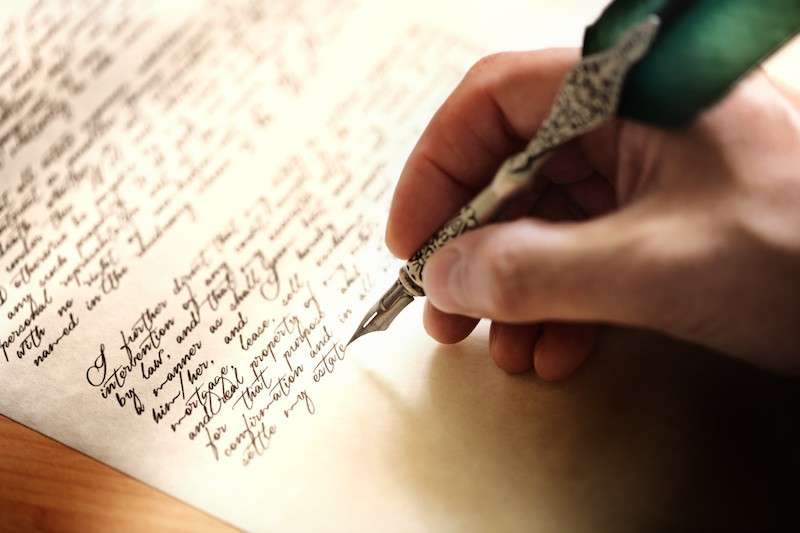
A Joint Will makes it difficult for estate lawyers to recommend because it blocks the surviving spouse from changing the document after their partner’s death. Mirror Wills avoid this problem because each Will is independent.
Mirror Wills work best for couples with straightforward family situations: married or common-law partners who share the same children, want to leave everything to each other, and agree on the same alternate beneficiaries. If your estate planning is this simple, Mirror Wills are efficient, affordable, and legally sound.
What Other Types of Wills Exist?

Mirror Wills are not appropriate for blended families where each spouse has children from prior relationships. In a blended family, each spouse typically needs different provisions: life interest clauses, separate trust arrangements, and different beneficiary structures to protect both their own children and their surviving spouse. If you have a blended family, each spouse should have an independent Will tailored to their specific obligations.
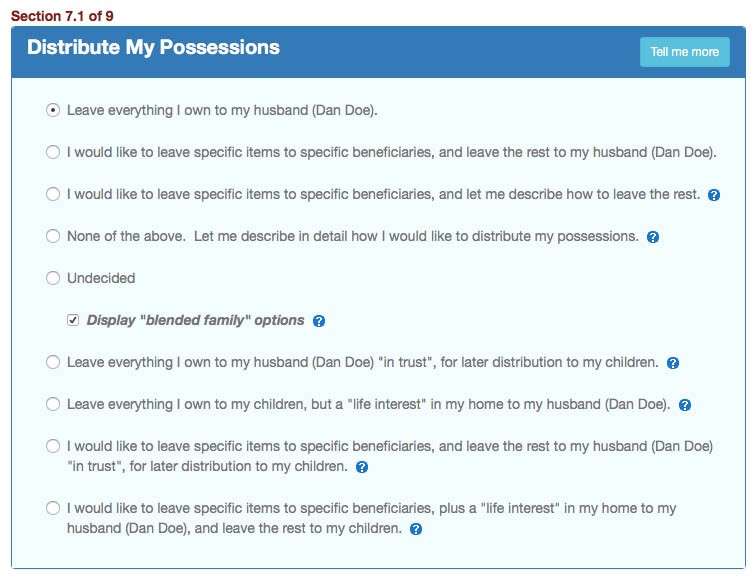
Formal (typed) Will: The standard Will; typed, signed, and witnessed. This is what LegalWills.ca produces.
A lawyer typically charges $750 to $2,500+ for a pair of Mirror Wills. At LegalWills.ca, each spouse creates their own Will for $49.95 each, a total of $79.95 for the couple. The legal validity is identical. Each Will is a separate, province-specific document with all standard clauses.
Holographic Will: Entirely handwritten and signed by the testator. Valid in most provinces without witnesses, but risky. See our myths guide.
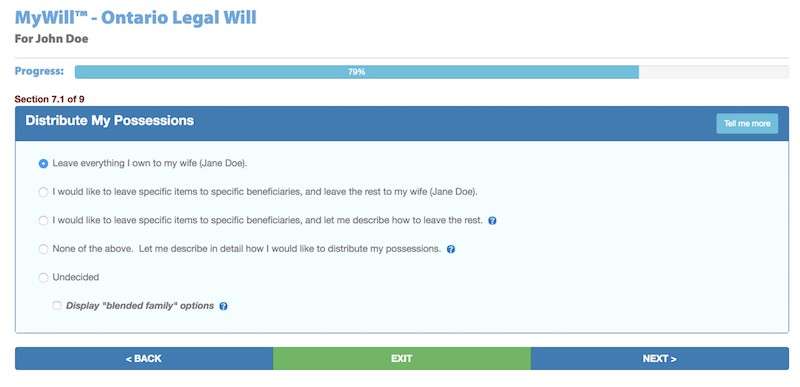
Each spouse creates their own account and completes the Will-writing process independently. To create Mirror Wills, each spouse simply makes the same choices: leave everything to the other spouse, name the same alternate beneficiaries, and appoint the same executor. The system generates two separate, legally independent documents. Each can be updated independently as circumstances change.
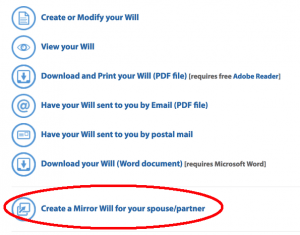

Ready to create your Mirror Wills? Start with our step-by-step guide. For key terms, see our estate planning glossary.

Tim Hewson is one of the founders of LegalWills.ca.
He has over 20 years of experience helping people to write their Will and other estate planning documents. He has been interviewed by many of the major news media outlets including CTV, Global News, The Toronto Star, and other leading Canadian publications. He has also contributed to a number of financial planning books.
Throughout his career, Tim has written extensively on the subject of Will writing and estate planning.