TL;DR
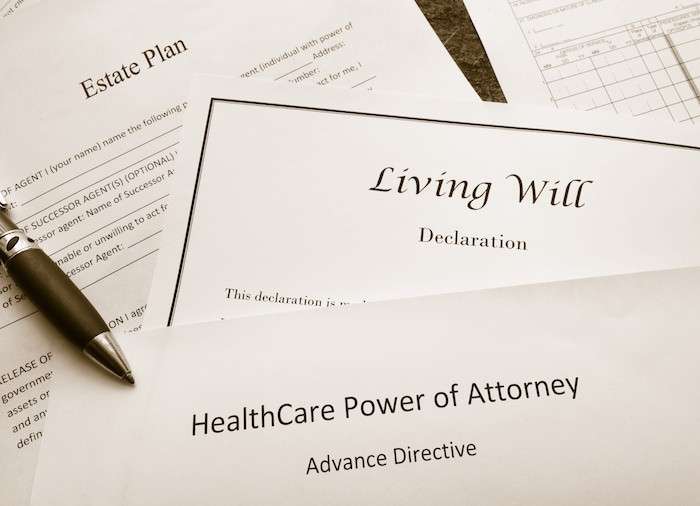
Advance Serious Illness Planning (ASIP) is a structured process for documenting your healthcare preferences in the event of a serious illness. It goes beyond a standard Living Will by addressing specific medical scenarios, treatment preferences, and goals of care. ASIP complements your estate plan alongside a Living Will, Power of Attorney, and Last Will and Testament.
Originally published: February 5, 2021 | Last updated: October 1, 2025
Advance Serious Illness Planning (ASIP) is a healthcare planning process that helps individuals document their treatment preferences and goals of care for serious illness scenarios. Unlike a standard Living Will, which typically addresses end-of-life decisions in broad terms, ASIP focuses on specific medical situations, such as cancer, dementia, organ failure, or stroke, and guides individuals through detailed decisions about the care they would or would not want to receive.
What Is Advance Serious Illness Planning? A Conversation with a Critical Care Doctor
The concept of ASIP was developed by Dr. Daren Heyland, a professor of critical care medicine at Queen’s University and the founder of the Plan Well Guide. Dr. Heyland has spent decades researching how patients make decisions about serious illness and end-of-life care.

Dr. Heyland’s research identified a critical gap in advance care planning: most people create broad advance directives that say things like “no extraordinary measures”, but when a serious illness actually occurs, these broad statements provide little practical guidance for healthcare providers or substitute decision-makers. ASIP was designed to fill this gap by creating detailed, scenario-specific plans.
Why Should You Complete Your ASIP as Soon as Possible?
There are three compelling reasons to complete ASIP now rather than later:
- Cognitive capacity is required. ASIP requires you to think carefully about complex medical scenarios and make informed decisions. If you develop dementia or suffer a sudden incapacitating event, you lose the ability to participate in this process. The time to plan is while you are healthy and thinking clearly.
- Serious illness can strike without warning. Heart attacks, strokes, and aggressive cancers can render a person unable to communicate their wishes within hours. Without documented preferences, healthcare providers default to the most aggressive treatment, which may not be what you want.
- Your family needs guidance. Studies show that substitute decision-makers (typically a spouse or adult child) experience significant emotional distress when making life-or-death decisions without clear guidance from the patient. A completed ASIP dramatically reduces this burden by documenting your actual preferences.

What Is Considered a Serious Illness?
In the context of ASIP, serious illness refers to conditions that are life-threatening, significantly limit daily function, or carry a high risk of death. Examples include:
- Advanced cancer, particularly metastatic or treatment-resistant forms
- Dementia, including Alzheimer’s disease and other progressive cognitive conditions
- Heart failure; chronic or acute cardiac conditions that limit function
- Chronic obstructive pulmonary disease (COPD), advanced respiratory disease
- Stroke, particularly severe strokes with significant disability
- Kidney failure, requiring dialysis or transplant consideration
- Liver failure, advanced cirrhosis or acute liver disease
- Neurological conditions. ALS, Parkinson’s disease, multiple sclerosis
ASIP asks you to consider specific scenarios: if you were diagnosed with advanced cancer, would you want chemotherapy? If you developed severe dementia and could no longer recognize family members, would you want CPR? These are the kinds of concrete questions that general advance directives often fail to address.
What Does Serious Illness Planning Look Like?
The ASIP process involves several steps:

- Reflect on your values. What matters most to you? Independence? Being pain-free? Spending time with family? Being mentally aware? Your core values guide every subsequent decision.
- Understand the medical scenarios. Learn about the serious illnesses most likely to affect you (based on age, family history, and existing health conditions) and the treatment options available.
- Document your preferences. For each scenario, record whether you would want life-sustaining treatments (CPR, mechanical ventilation, dialysis, feeding tubes), comfort-focused care only, or something in between.
- Discuss with your substitute decision-maker. Ensure the person who will speak for you (your Power of Attorney for personal care) understands your values and preferences in detail.
- Share your plan with your healthcare team. Give copies of your ASIP documentation to your family doctor, specialists, and the hospital where you are most likely to receive care.
What Is the Plan Well Guide?
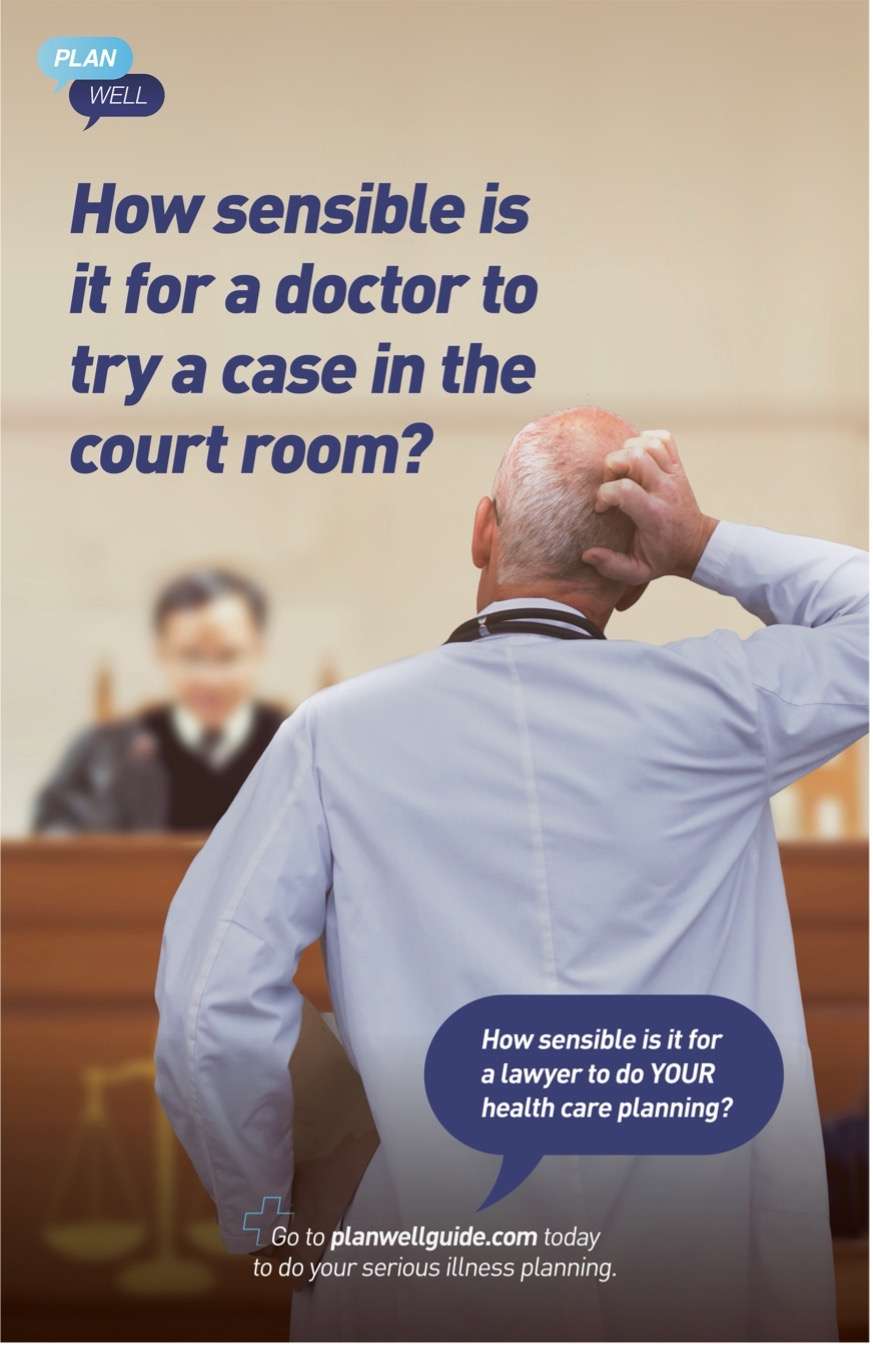
The Plan Well Guide is an online tool created by Dr. Heyland and his research team at Queen’s University. It walks individuals through the ASIP process with structured questionnaires and educational materials. The tool:
- Helps you identify your values and goals of care
- Presents realistic medical scenarios relevant to your health profile
- Documents your preferences in a format that healthcare providers can use
- Generates a summary document you can share with your substitute decision-maker and medical team
How Does ASIP Differ From a Living Will?
ASIP and a Living Will are complementary, not competing, documents. Here is how they differ:
| Feature | Living Will | ASIP |
|---|---|---|
| Scope | Broad end-of-life preferences | Specific serious illness scenarios |
| Detail level | General directives | Treatment-by-treatment decisions |
| Legal status | Legally recognized advance directive | Planning tool (complements legal documents) |
| Created through | LegalWills.ca or a lawyer | Plan Well Guide or with a healthcare provider |
For comprehensive healthcare planning, you should have both: a Living Will that provides legally binding advance directives, and an ASIP that provides detailed, scenario-specific guidance for your healthcare team and substitute decision-maker.
How Does ASIP Fit Into Your Overall Estate Plan?
A complete Canadian estate plan includes four key documents:
- Last Will and Testament. Directs the distribution of your assets after death
- Power of Attorney. Appoints someone to manage your financial affairs if you become incapacitated
- Living Will. Documents your healthcare preferences and appoints a healthcare proxy
- Advance Serious Illness Plan. Provides detailed, scenario-specific healthcare guidance
Together, these documents ensure that both your financial affairs and healthcare decisions are managed according to your wishes, regardless of what happens.
Frequently Asked Questions
At what age should I complete ASIP?
There is no minimum age, but ASIP becomes increasingly important after age 50 or when you are diagnosed with any chronic health condition. However, anyone at any age can benefit from thinking through these questions; serious illness does not only affect the elderly.
Does ASIP replace a Power of Attorney for personal care?
No. ASIP provides guidance for your substitute decision-maker but does not legally appoint one. You still need a Power of Attorney for personal care (or healthcare directive, depending on your province) to legally designate who makes decisions on your behalf.
Can I change my ASIP after completing it?
Yes. ASIP should be reviewed and updated whenever your health status changes, when you receive a new diagnosis, or when your values and preferences evolve. It is a living document that should reflect your current wishes.
Is ASIP available in all Canadian provinces?
The Plan Well Guide is available to all Canadians. The advance care planning framework may have different names in different provinces (advance directives, healthcare directives, representation agreements), but the concept of documenting detailed healthcare preferences applies everywhere.

LegalWills is Canada's leading online Will writing service. Since 2001 we have helped Canadians prepare their Will and other estate planning documents. Providing help along the way.