
Originally published: June 27, 2019 | Last updated: June 25, 2025
TL;DR: If you have children, your Will must address three critical areas: naming a guardian for minor children, setting up trusts to manage their inheritance, and appointing a reliable executor. A guardian is the person who raises your children if both parents die. A trust protects the inheritance until children reach an age you specify (typically 18–25). You should also consider joint Wills for couples, life insurance, and updating your Will as family circumstances change. Online services like LegalWills.ca make this process fast and affordable.
If you have young children, writing a Will is not optional, it is critical. Your Will is the only legal mechanism to name who should raise your children if something happens to both parents. Without a Will, a court decides who gets custody, and your children’s inheritance is managed according to rigid provincial rules rather than your wishes.

Table of Contents
Table of Contents
What Are the Key Elements in a Will for Parents?
| How Do I Name a Guardian for My Children in My Will? | Does a Guardian for Children Have to Live in Canada? | Can I Name More Than One Person as Guardian? |
|---|---|---|
| Can I Name Someone Other Than the Biological Parent as Guardian? | Can the Guardian Be a Witness to My Will? | How Should I Leave an Inheritance to Minor Children?How Does a Trust for Children Work?At What Age Should Children Receive Their Inheritance? |
| How Does a Trust for Children Work? | At What Age Should Children Receive Their Inheritance? | Should Both Parents Have a Will? |
| What Role Does Life Insurance Play? | When Should I Update My Will After Having Children? | Frequently Asked Questions: Wills for Parents with ChildrenWhat Happens to My Children If I Die Without a Will?Can I Disinherit a Child in My Will?What If My Partner and I Disagree on Who Should Be Guardian?How Much Does a Will Cost for Parents?Do I Need a Separate Trust Document? |
| What Happens to My Children If I Die Without a Will? | Can I Disinherit a Child in My Will? | What If My Partner and I Disagree on Who Should Be Guardian? |
How Much Does a Will Cost for Parents?
Do I Need a Separate Trust Document?
What Are the Key Elements in a Will for Parents?
- A Will covers more than asset distribution. For parents with children, there are four essential components:
- Element
- Purpose
- Why It Matters for Parents
- Guardian
Names who raises your children
Without this, a court decides custody
Executor
Manages your estate and carries out your wishes
Also serves as trustee for children’s inheritance
Trust provisions
Protects inheritance until children reach a specified age
Prevents minors from receiving large sums directly
Asset distribution
Describes who inherits what

Ensures children are provided for financially
How Do I Name a Guardian for My Children in My Will?
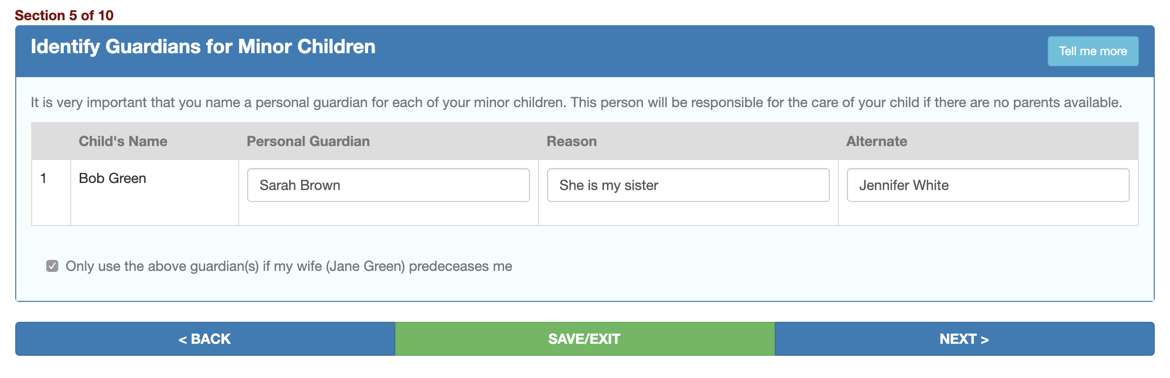
The main reason parents need a Will becomes their requirement to appoint a guardian for their children. A guardian will take care of your children when both parents have passed away before their children became adults.
Key considerations when choosing a guardian:
- Values and parenting style – choose someone who shares your approach to raising children
- Financial stability – the guardian should be able to provide a stable home (though the inheritance from your estate can supplement their resources)
- Location – consider whether the guardian lives near your children’s current school, friends, and extended family
- Age and health – choose someone who will be able to care for your children for the years needed
Willingness – always discuss the appointment with your chosen guardian before naming them in your Will
You should also name an alternate guardian in case your first choice is unable or unwilling to serve when the time comes.
Does a Guardian for Children Have to Live in Canada?
No. There is no legal requirement that the guardian must live in Canada. You have the freedom to select any person you trust no matter where they reside. Your chosen guardian must live in a different country which requires your children to move away from their current school and friends while they adjust to making new friends in an unfamiliar place. The court will base its decision to appoint a guardian on these particular elements.

Can I Name More Than One Person as Guardian?
Yes, you can name joint guardians – typically a couple. This is common when naming a sibling and their spouse as guardians. The guardianship system will encounter problems when the couple decides to separate from each other. Name alternates in case the joint guardians cannot serve together.
Can I Name Someone Other Than the Biological Parent as Guardian?
Yes, but understand how guardianship works legally. When you pass away, prospective guardians put themselves forward and a judge makes the appointment. The court will select the other biological parent as guardian when they prove fitness to parent regardless of what your Will states. Your Will holds strong importance but the biological parent maintains their right to claim custody through legal channels.
You should keep a record of your reasons to choose a different guardian because your relationship with the other parent ended while you doubt their parenting skills. The judge will make decisions about your wishes together with other relevant information which serves to protect the best interests of the child.
- Can the Guardian Be a Witness to My Will?
- Yes. The restriction on witnesses applies only to beneficiaries – people who inherit under the Will. A guardian appointment stands apart from a bequest because the guardian can perform their duties as a witness. However, if the same person is both a guardian and a beneficiary (which is common), they should not witness the Will. For more on witnessing requirements, see our guide to signing and witnessing a Will.
- How Should I Leave an Inheritance to Minor Children?
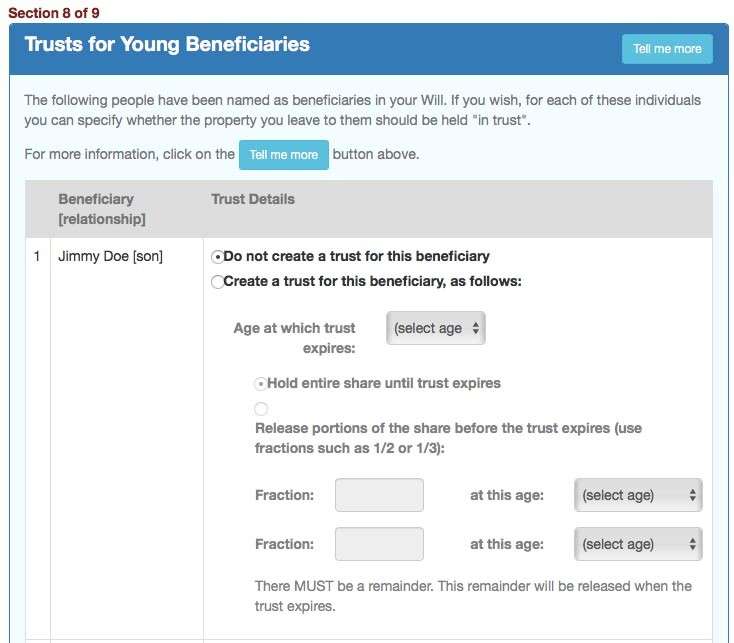
- Leaving money directly to a minor child creates a legal problem – minors cannot legally manage an inheritance. A trust should receive the inheritance which a trustee (usually your executor) will handle until the child becomes old enough to receive their share.
How Does a Trust for Children Work?

A trust in your Will works as follows:
You specify the inheritance for each child
- You name a trustee (usually your executor) to manage the funds
- The trustee has the authority to give money from the trust to the guardian for expenses which benefit the child including education and healthcare and housing needs.
- When the child reaches the age you specify, they receive the remaining trust funds outright
- The system maintains checks and balances through its guardian-trustee arrangement which safeguards funds for child development needs while stopping early spending of the trust assets until the child reaches suitable age for financial management.
- At What Age Should Children Receive Their Inheritance?
- Most parents choose an age between 18 and 25. The provincial default (if your Will does not specify) is typically 18 or 19, depending on the province. The financial choices of an 18-year-old who receives a large inheritance might not be their best decisions.
At LegalWills.ca, you can distribute the inheritance over multiple ages – for example, one-third at 21, one-third at 25, and the remainder at 30. You can also set different ages for different children based on their maturity. This flexibility is unique to LegalWills.ca among online Will services.
Should Both Parents Have a Will?
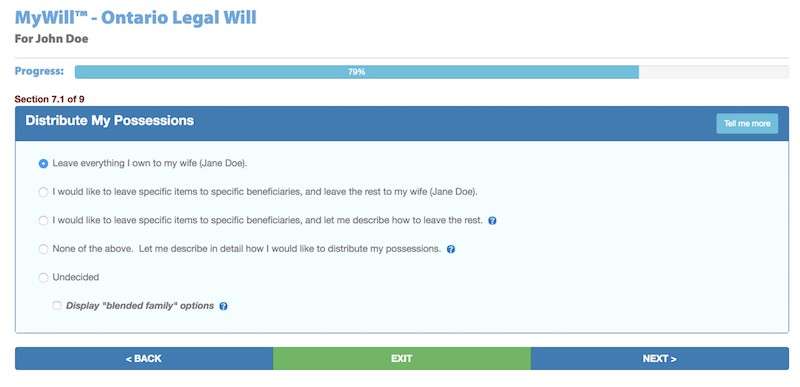
Yes. Both parents need to create their own individual Will documents which they should produce together through the process of making Mirror Wills. A Mirror Will functions as two separate Wills which contain identical terms that direct all property to the surviving parent and create equal inheritance for children through shared guardian and trust arrangements when both parents pass away.
LegalWills.ca provides a unique Mirror Will creation tool which produces two Wills at the same time to help you save time while making sure both documents match perfectly.
What Role Does Life Insurance Play?
Life insurance and your Will serve different purposes but they work together to achieve their goals. Life insurance proceeds go directly to the named beneficiary – they do not pass through your Will or probate. However, your Will addresses:
What happens if the insurance beneficiary predeceases you
Distribution of all other assets beyond the insurance payout
Trust arrangements for managing the combined inheritance (insurance + estate assets)
Guardian appointments – which insurance cannot address
Consider naming your estate as the life insurance beneficiary, so all funds are distributed according to your Will’s trust provisions. Alternatively, name your spouse as primary beneficiary and your children’s trust as contingent beneficiary.
When Should I Update My Will After Having Children?


Tim Hewson is one of the founders of LegalWills.ca.
He has over 20 years of experience helping people to write their Will and other estate planning documents. He has been interviewed by many of the major news media outlets including CTV, Global News, The Toronto Star, and other leading Canadian publications. He has also contributed to a number of financial planning books.
Throughout his career, Tim has written extensively on the subject of Will writing and estate planning.