Originally published: September 24, 2014 | Last updated: September 25, 2024
TL;DR: When a Canadian dies without a Will (intestate), provincial law dictates how assets are distributed – not the deceased’s wishes. A surviving spouse does not automatically inherit everything. Common-law partners may receive nothing. The court appoints an estate administrator, causing delays and costs. Every Canadian adult should have a Will to avoid these outcomes.
The legal term for a Canadian death without a proper Last Will and Testament becomes “intestate.” The provincial government where the person lived determines exactly how the estate is divided, following a rigid statutory formula. The deceased has no say in the matter. Friends, charities, and extended family members the person cared about may receive nothing. The court needs to choose an administrator for estate management because the court process to appoint this person needs several months to finish and requires payment of thousands of dollars.
When a Canadian dies without a valid Last Will and Testament, the legal term is “intestate.” The provincial government where the person lived determines exactly how the estate is divided, following a rigid statutory formula. The deceased has no say in the matter. Friends, charities, and extended family members the person cared about may receive nothing. Instead of a chosen executor managing the estate, the court must appoint an administrator, a process that takes months and costs thousands of dollars.
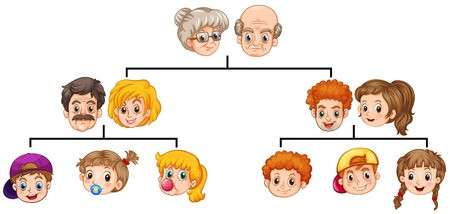
Does My Spouse Inherit Everything If I Die Without a Will?
No. This is one of the most widespread misconceptions in Canadian estate planning. In most provinces, if you are married with children and die without a Will, your spouse receives a “preferential share”, a fixed dollar amount that varies by province, and the remainder is split between your spouse and children. The exact formula differs across Canada:
- Ontario: The spouse receives the first $350,000, with the remainder divided between spouse and children.
- British Columbia: The spouse receives the first $300,000, plus a share of the remainder.
- Alberta: The spouse receives the first $150,000, with the rest split between spouse and children.
- Other provinces: Each has its own intestate succession formula, and no two are identical.
If you are married without children, the spouse typically receives the entire estate, but only in some provinces. The only way to guarantee your spouse inherits everything is to state it explicitly in a Will. For a detailed look at why a Will matters, see our article on whether you need a Will.
No. Canadian estate planning contains one of the most common incorrect beliefs which people believe to be true. Your spouse will obtain a predetermined monetary amount which exists in each province when you die without a Will and have children from marriage. The remaining estate property will divide between your spouse and children after this allocation. The exact formula differs across Canada:
In most Canadian provinces, common-law partners have no automatic right to inherit from an intestate estate. Regardless of how long you have lived together or whether you have children together, common-law partners are typically excluded from intestate succession laws. Only a Will can ensure your common-law partner is provided for. This applies even in provinces that recognize common-law relationships for other legal purposes like tax filing or spousal support. British Columbia is a notable exception, where spouses under the Wills, Estates and Succession Act include common-law partners who have lived together for at least two years.
Ontario: The spouse receives the first $350,000, with the remainder divided between spouse and children.
The problems caused by dying without a Will extend well beyond asset distribution:
- Court-appointed administrator: Someone must apply to the court to manage the estate, a process that costs money, requires a surety bond, and takes months.
- Family disputes: Without clear instructions, family members often disagree about who should manage the estate and who deserves what. These disputes can permanently damage family relationships.
- Blended family complications: If you have children from previous relationships, intestate laws create especially complex and often contentious distributions. Your current spouse and children from a prior marriage may end up in legal conflict.
- No charitable giving: Intestate succession directs assets only to legal relatives. Any charitable bequests you would have wanted, to a favourite cause, community organization, or planned giving initiative; will not happen.
- No guardian for children: If both parents die without a Will naming a guardian, the court decides who raises your children.
- Government takes everything: If you die with no identifiable next of kin, your entire estate goes to the provincial government (escheat).
British Columbia: The spouse receives the first $300,000, plus a share of the remainder.
Creating a Will in Canada takes about 20 minutes with an online service like LegalWills.ca and costs $49.95. You do not need a lawyer. The process walks you through naming beneficiaries, appointing an executor, designating guardians for minor children, and specifying how your assets should be distributed. Once completed, you print, sign, and have it witnessed, and your estate is protected. Learn more in our step-by-step guide to writing your Will.

Tim Hewson is one of the founders of LegalWills.ca.
He has over 20 years of experience helping people to write their Will and other estate planning documents. He has been interviewed by many of the major news media outlets including CTV, Global News, The Toronto Star, and other leading Canadian publications. He has also contributed to a number of financial planning books.
Throughout his career, Tim has written extensively on the subject of Will writing and estate planning.